
Double Consciousness in Creativity
Unpacking the narrative of Black creatives and their relationship to self

Black people have always been the pushers of culture and fashion. From Icons such as Dapper Dan, Andre Leon Talley, and Diana Ross, we have always exuded style. Hell, we are the definition of style.
When I think of black culture, I always think of the poem “ We Real Cool” by Gwendolyn Brooks:
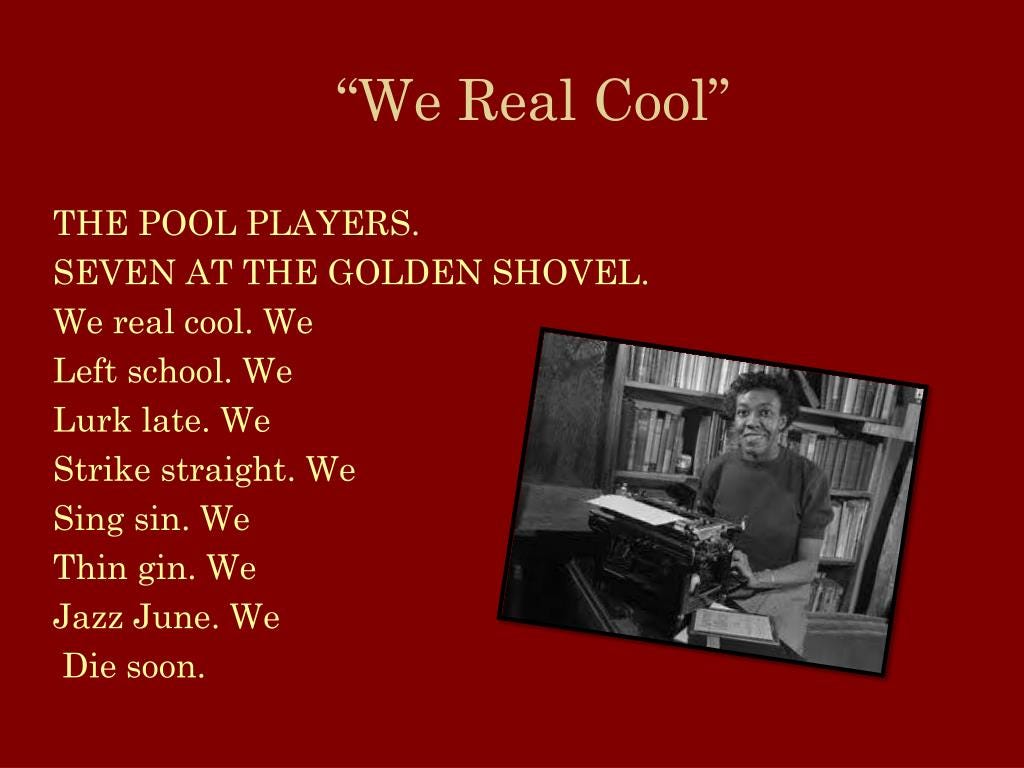
The poem explores youthfulness, rebellion, and the natural progression of life, from school to staying out late, to drinking gin, and then the inevitable death we face.
As black people, we have unique life experiences that shape us into who we are and how we see and navigate the world. W.E.B Du Bois presented a theory called “Double Consciousness”.

As Du Bois stated, we exist between two souls and two thoughts—one as Americans and one that exists as Black folks. I find myself contemplating this often. As a creative, I am many things: fashion stylist, educator, sculptor, botanist, archivist, you name it - I can and probably have done it.
But I often think, “Maybe you should niche down.” I loathe that phrase, truly. Because to me, niching down would be boxing in, and I wouldn't say I like boxes. I try to refrain from limiting myself when I know I am capable of so much more. And historically, Black folks have always had “limits” on what they can and can’t do.
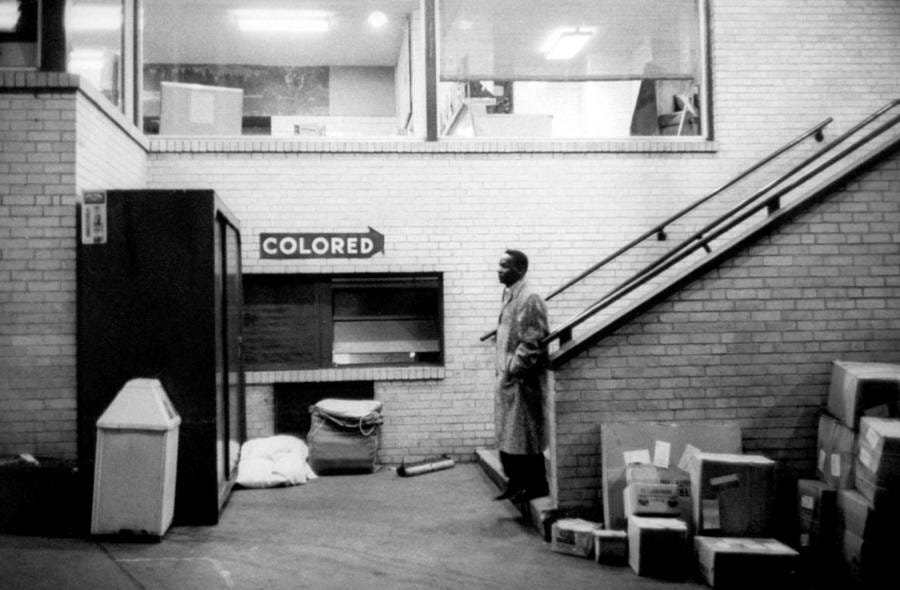
We are expected to exist within a mountain of expectations and limitations: “Don’t be quiet, but don’t be too loud.” “Assert yourself, but don’t be aggressive. “Be creative, but don’t do too much, or people won’t get it.” For lack of better words, we are expected to code-switch to make ourselves digestible. News flash: Not everyone is supposed to get it.
We don’t exist as a monolith; we are not meant to be just one thing or operate one way. However, isn’t that expectation inherently American? Linear, limited, binary thinking often excludes other insightful ideas or narratives.
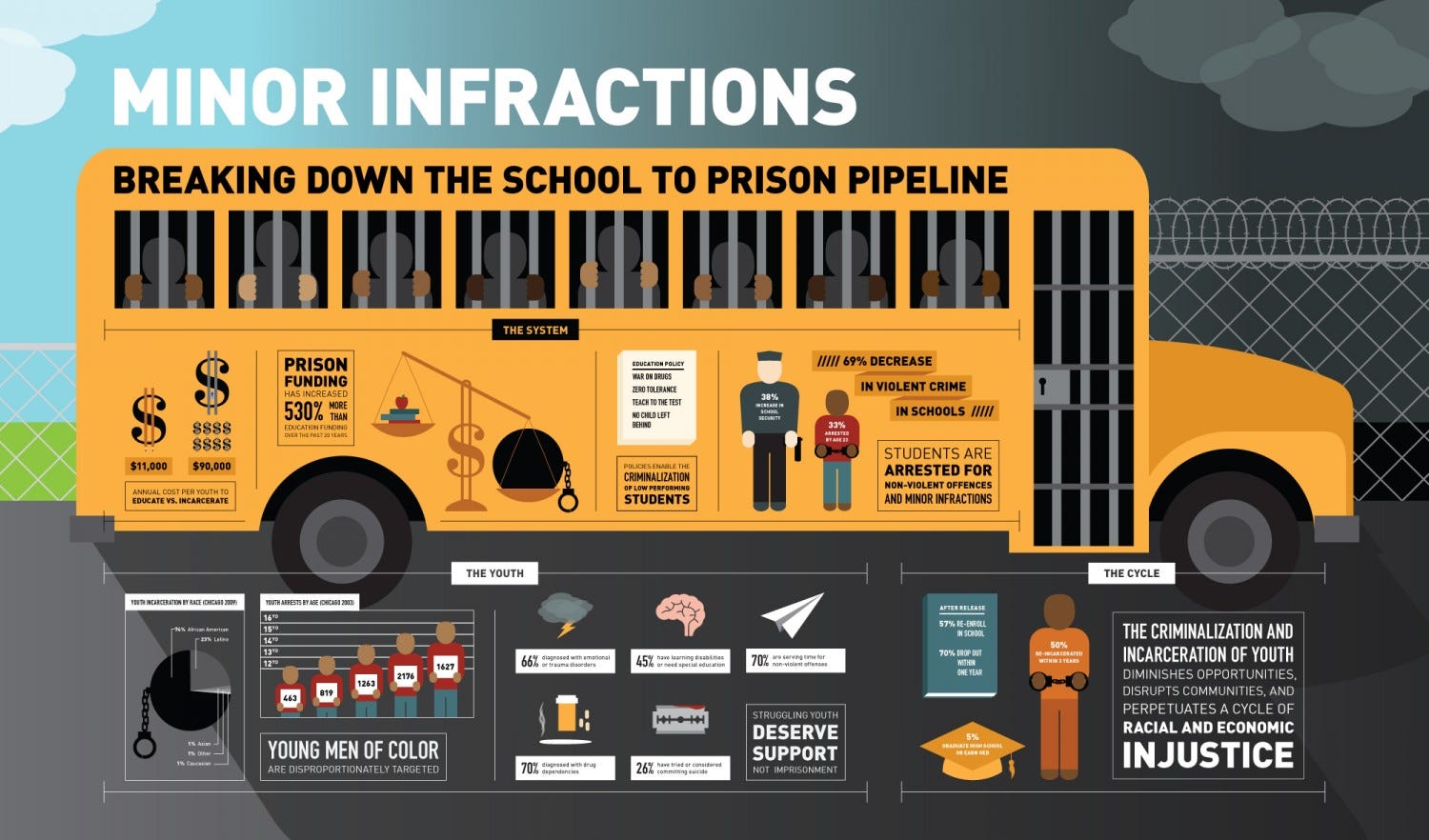
Society has placed a narrative on Black people that, to get ahead in any way, you must “tone down” your blackness. This can be seen drastically through the School to Prison pipeline and the aggressive disciplinary practices of young black girls and boys. According to an article published by the University of California, Berkeley, compared to their White counterparts, Black students are 3.6 times more likely to be reprimanded or even suspended for minor infractions. The behaviors that cause these students to “act out” often are underlying mental health problems such as Autism or ADHD. Instead, these students are labeled as “bad” or “problematic” when they need additional treatment and assistance.
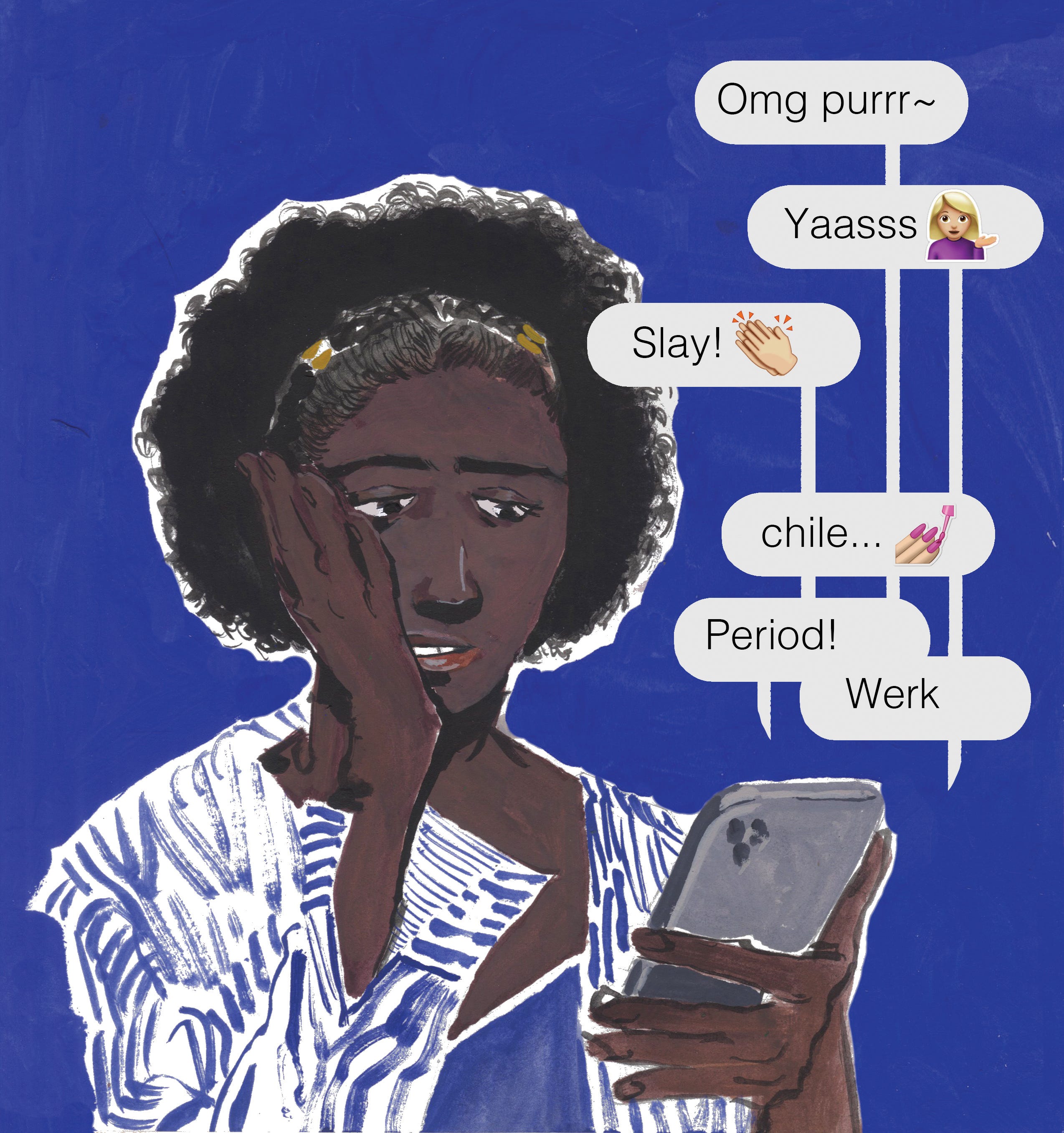
Black culture is known globally, from music to fashion and everything in between. People celebrate our culture when it directly benefits them. If you see a Black man wearing an iced-out chain and grills, he’s automatically a “thug.” If you see a White man wearing the same thing, he’s “cool” and “hip.” They hate the way we talk and act, but now you can see African American Vernacular English (AAVE) is used all over social media. “Sis,” “Chile,” “Tweakin,” “Periodt”. The media has coined these as “Gen Z” terms, but we know the truth. All in all, nobody wants to be black until it’s time to be Black.
Are they going to be there when we get accosted by the police? Didn’t think so.
Reference:
https://publichealth.berkeley.edu/news-media/research-highlights/black-students-are-punished-more-often#:~:text=The%20authors%20wrote%2C%20%E2%80%9CRelative%20to,2.9%20times%20more%20likely%20to